
The History of Fashion Week: How Runway Culture Began.
By Emma Golley
Published: January 31st 2026
Fashion Week is much more than a series of runway shows. It’s a ritual that shapes trends, drives careers, and connects the global fashion community like nothing else. But how did this phenomenon begin? And what does its evolution tell us about how fashion, culture, and industry collide?
This is the story of how Fashion Week began, and how it quietly reshaped the fashion industry.
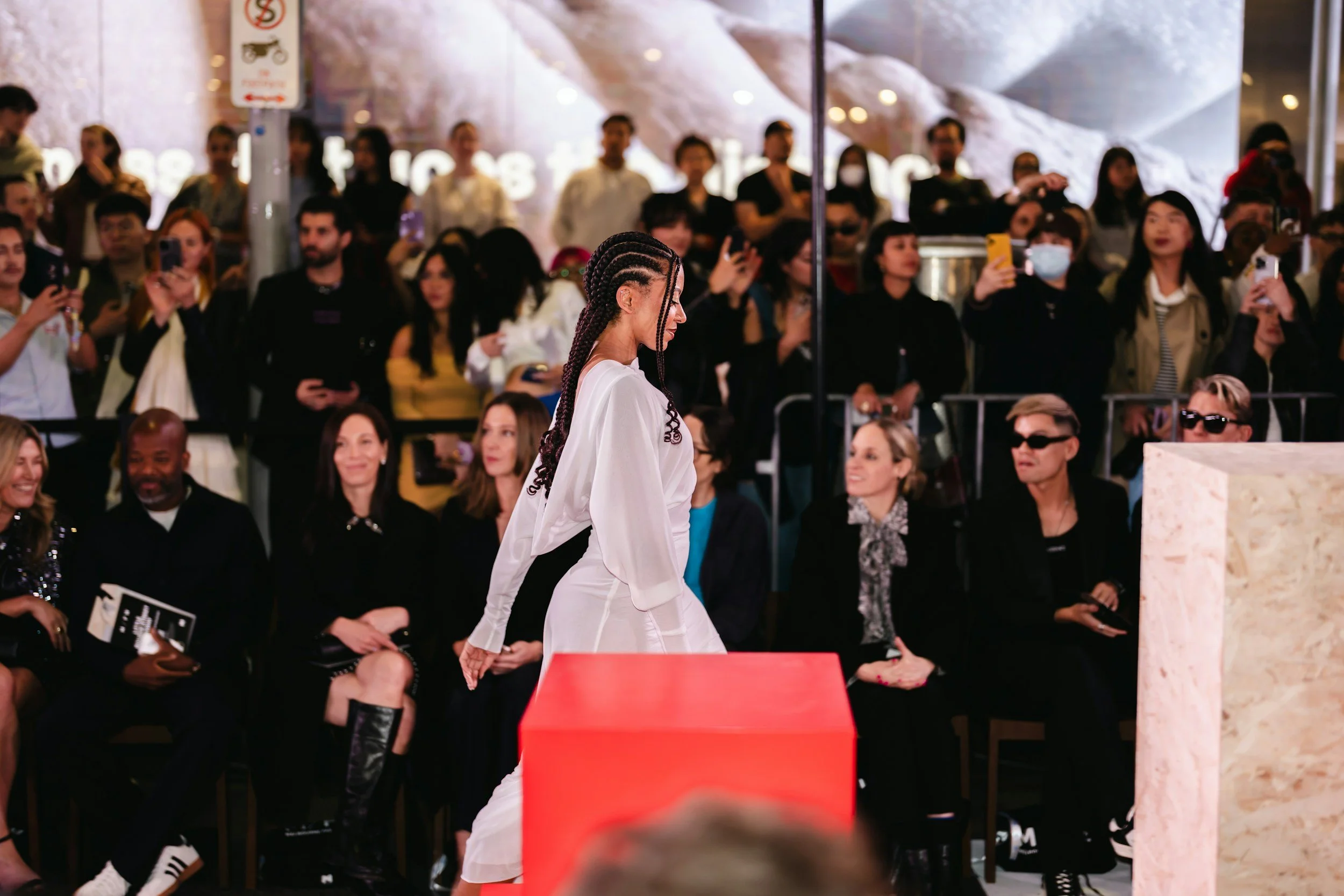
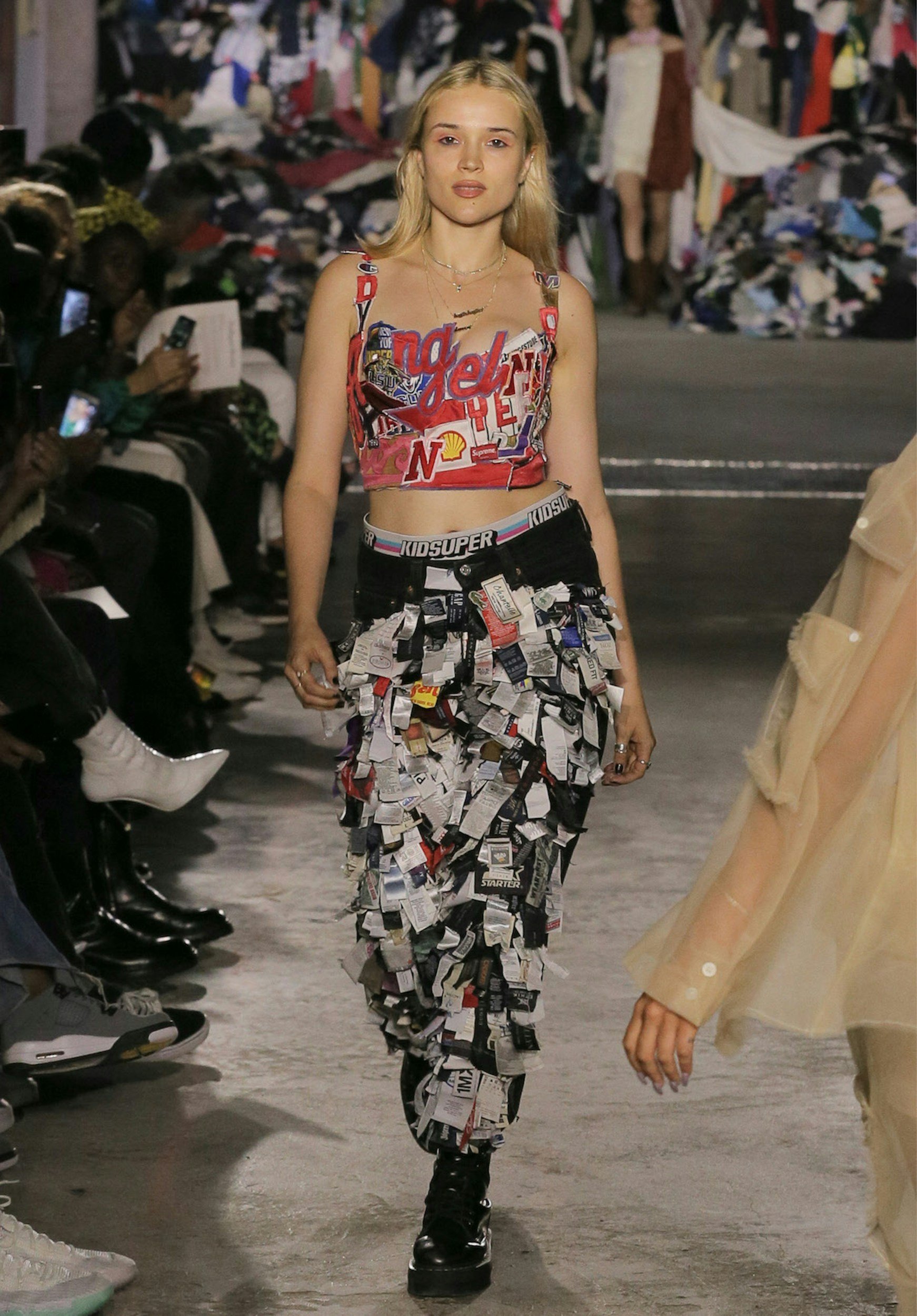
The First Official Fashion Week, New York, 1943.
Long before the lights, the celebs, and Instagram feeds — the essence of Fashion Week was born in Paris in the 19th century. Designers like Charles Frederick Worth, often credited as the father of haute couture, pioneered the idea of presenting collections to exclusive clients at dedicated events long before the term “fashion show” even existed.
Instead of placing garments on paper dolls or catalogs, Worth showcased designs on real bodies. A radical shift that turned viewing clothing into a performance. These early gatherings were intimate salon presentations, but they held the seeds of what Fashion Week would become.
In French, runway shows are still called “défilés de mode”, literally “fashion parades.” These parades were social occasions as much as commercial ones, bringing clients together to preview upcoming seasonal styles.
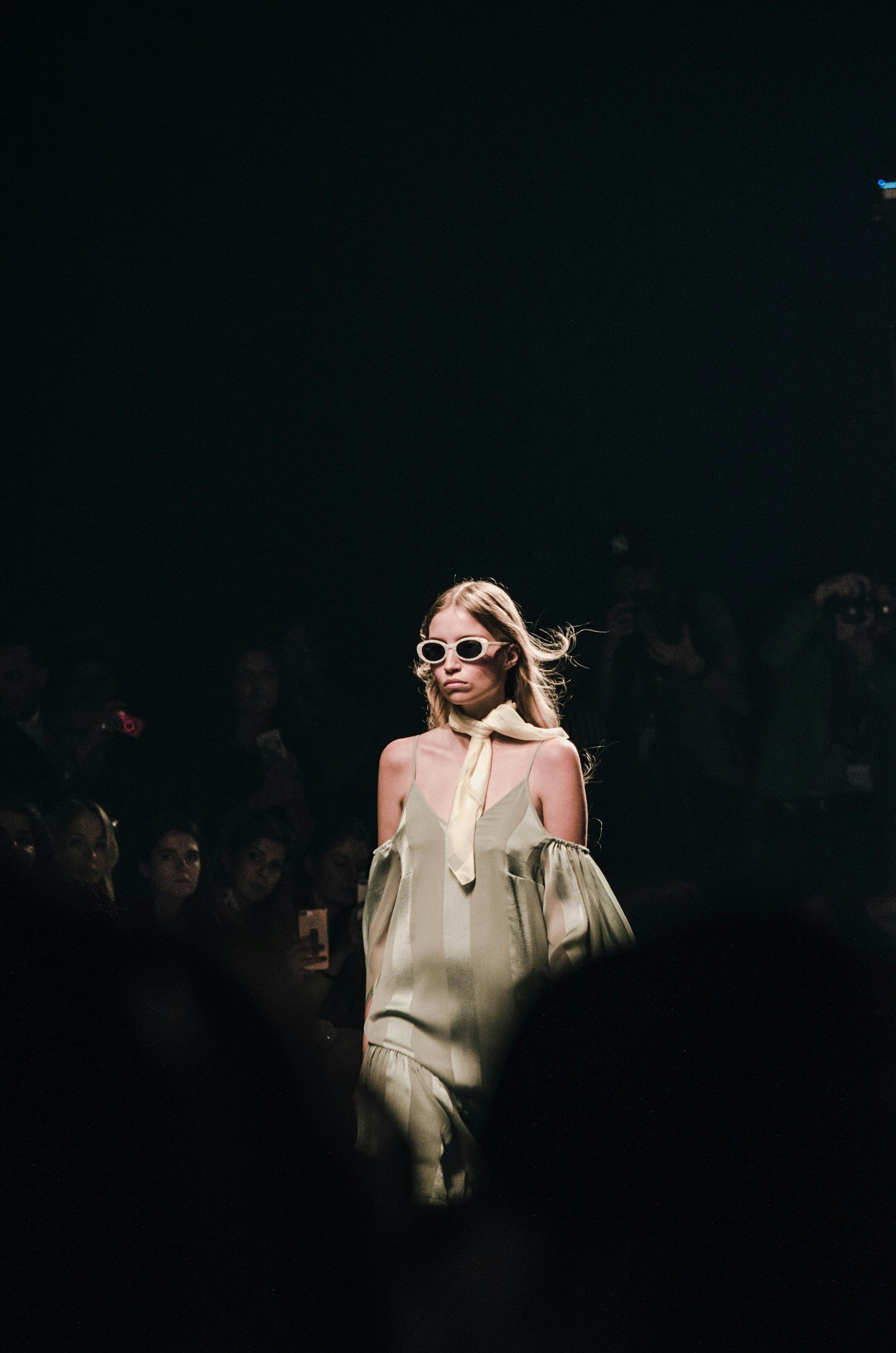
Where It All Began: Paris, Salons & Runway Origins.
The modern concept of Fashion Week didn’t actually start in Paris, it began in New York during World War II. With Paris shows canceled and travel restricted, American designers needed a way for fashion editors and buyers to see their work in one place.
Enter Eleanor Lambert, a trailblazing fashion publicist who organized ‘Press Week’ in New York in 1943. This event pulled multiple fashion presentations together, a precursor to what we now call New York Fashion Week (NYFW). The goal? To give American fashion a platform when the world’s attention was turned away from France.
What began as “Press Week” evolved over decades, eventually becoming New York Fashion Week as organized and commercialized by major fashion bodies in the 1990s and 2000s.
Expanding the Calendar - London, Milan, Paris.
After New York established the model, other cities quickly followed, each with its own flavor and influence:
London Fashion Week officially launched in the 1980s. It was the first English speaking city to formally use the term “Fashion Week,” amplifying British design voices on the global stage.
Milan Fashion Week grew from Italy’s rich textile and ready-to-wear sectors, elevating Italian fashion into a major international presence by the late 20th century.
Paris Fashion Week, rooted in couture but now encompassing prêt-à-porter and men’s shows, remains the ultimate benchmark for design ingenuity and luxury heritage. Its official calendar, governed by the Fédération de la Haute Couture et de la Mode, actually began in the 1970s, complete with iconic moments like the Battle of Versailles that blurred lines between art, competition, and cultural exchange.
Together, these four cities: New York, London, Milan, and Paris, are known as the “Big Four” Fashion Weeks. Today, they define the global fashion calendar, each season showing what’s next in style. From avant-garde to commercial designs.
From Trademark Weeks to Global Moments.
Fashion Week has transformed remarkably since its early beginnings:
What once was a private preview for select clients became public spectacles drawing celebrities, influencers, and audiences worldwide.
With the explosion of social media, Fashion Week isn’t just for industry insiders, it’s a shared cultural moment that influences what people wear, buy, and talk about.
Beyond the Big Four, cities like Copenhagen, Lagos, Toronto, and even Manila now host their own fashion weeks, spotlighting local talent and diversifying the global fashion narrative.
Why Fashion Week Still Matters.
Fashion Week isn’t just about clothes on a runway. It’s a lived experience that shapes trends, celebrates creativity, and launches careers. For designers, stylists, models, journalists, and fashion lovers alike, it offers a moment of connection- where ideas, culture, identity, and commerce intersect.
Historically, it began as an invitation-only affair, but today it reflects conversations about sustainability, inclusivity, and the future of fashion, mirroring how the industry itself is evolving.
Whether you’re dreaming of your first show or building a career around fashion, understanding how Fashion Week came to be gives context to why fashion matters. Not just as clothing, but as culture, community, and story.
Like this article? Sign up to our new newsletter to get more articles like this delivered straight to your inbox.

Published: 01.31.2026
By Emma Golley
Related Articles.

What To Expect At New York Fashion Week SS 2024.
New York Fashion Week is fast approaching! Get the full scoop here.
Trend Edit | Emma Golley | 09/05/2023

Copenhagen Street Style Trends From The Spring 24 Shows.
From Brown leather jackets to shearling accents- find out what’s trending from Copenhagen.
Trend Edit | Emma Golley | 08/29/2023

Working In Fashion Abroad- Everything You Need To Know.
We highlight the key takeaways from our latest podcast episode.
Career Advice | Emma Golley | 01/19/2023